
The Evolution of Mannequins in Fashion
As someone who's worked three retail jobs — both big retailers and a small boutique — and developed a deep passion for visual merchandising, I’ve seen firsthand how small details in store displays can shape a customer’s shopping experience. One element that’s evolved significantly over the years is the humble mannequin. While mannequins have long been a staple of visual merchandising, their role in retail has changed dramatically — from lifeless plastic figures to more dynamic representations of diverse body types and identities. This shift reflects the broader changes in the fashion industry and its efforts to become more inclusive and reflective of real-world diversity.
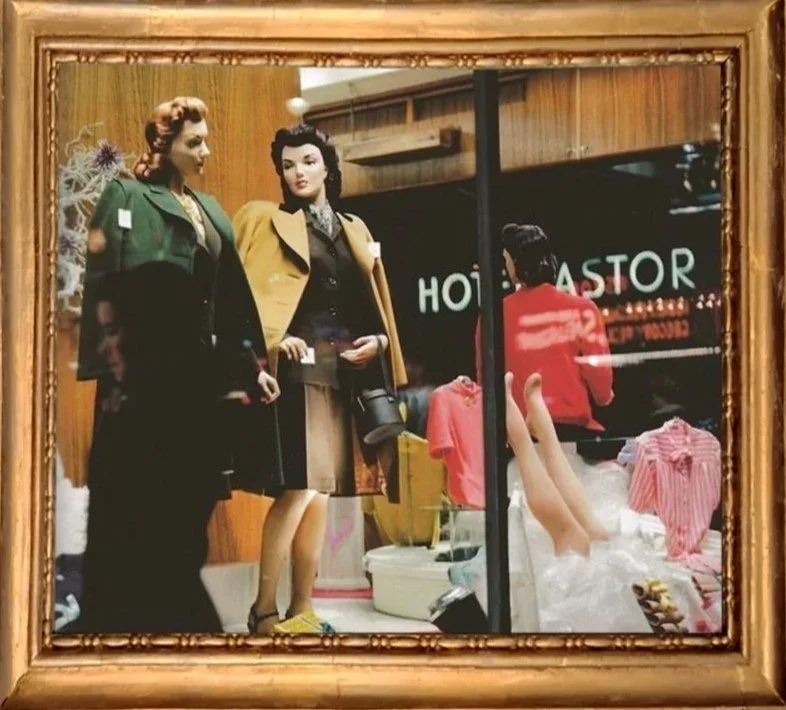
Mannequins have been an integral part of fashion retail for decades. In the past, they were designed primarily to showcase clothing, often in an idealized, standardized form. Think tall, thin, often gender-neutral figures that were intended to represent a "universal" standard of beauty. But as the fashion industry began to acknowledge the need for greater inclusivity, these mannequins also had to evolve. With the rise of body positivity movements and a growing awareness of diverse representations of beauty, retailers started to reconsider the narrow, one-size-fits-all approach.
In my experience working in retail, the changes are impossible to ignore. When I first started working in visual merchandising, the mannequins in stores were all quite similar — lean, with average proportions, and often white. Over the years, however, I've watched as brands began introducing mannequins that more accurately reflect the diversity of their customers. From plus-size mannequins to mannequins with different skin tones, body shapes, and even disabilities, it’s clear that fashion is shifting toward a more inclusive approach. These changes aren’t just cosmetic; they represent a significant cultural shift in how we view beauty and style.
The move toward inclusivity in mannequin design is not just a trend — it’s a necessary response to a growing demand from consumers who want to see themselves represented in the fashion world. Retailers are beginning to realize that when they showcase clothing on mannequins that reflect the diversity of their customer base, it makes the shopping experience more relatable and aspirational. Customers are more likely to envision themselves in the clothes if they see a mannequin that looks like them. This is something I’ve noticed when merchandising stores — having a variety of body types on display can create a more welcoming atmosphere and allow customers to feel like the brand truly understands their needs.
Looking to the future, I think we’ll see even more innovation in the world of mannequins. Beyond body inclusivity, there’s an exciting push toward incorporating mannequins with different racial and ethnic representations, gender fluidity, and even mannequins with unique features, like prosthetics or tattoos. Technology is also playing a role, with some retailers experimenting with augmented reality (AR) mannequins or digital displays that can change clothing styles and sizes at the click of a button.
As someone passionate about visual merchandising, I’m excited to see where these trends take us. The evolution of mannequins is not just about keeping up with the times; it’s about making retail spaces more inclusive, engaging, and reflective of the people who shop in them. Mannequins are no longer just tools for displaying clothing—they’re part of a larger conversation about body image, identity, and the role fashion plays in society. In a world that’s increasingly focused on self-expression and authenticity, the future of mannequins looks more diverse and exciting than ever.
For anyone in retail or visual merchandising, it’s important to keep these changes in mind when planning your store displays. As customers continue to demand better representation and inclusivity, staying ahead of these trends will make your store feel more connected to the diverse community it serves. Whether you're working with traditional mannequins or experimenting with digital displays, remember: the clothes you’re showcasing are only part of the story. How you present them — and the people you’re representing — can make all the difference.