
The Current Intersection of Fashion and Music
As someone who has always been captivated by both fashion and music, it’s exciting to see the growing synergy between the two industries. Fashion has long been an extension of personal identity and self-expression, while music has served as a soundtrack to our lives. In 2024, however, the lines between music and fashion are more blurred than ever, with both industries influencing and elevating each other in ways that feel almost inseparable. The relationship between music and fashion is nothing new, but it’s undeniably more prominent today, thanks to the rise of social media platforms and streaming services. Artists are not just musicians; they are style icons, influencers, and trendsetters. From the bold streetwear choices of hip-hop stars to the avant-garde runway moments at fashion shows, musicians are shaping the cultural landscape. As noted in Music Industry Weekly, music and fashion are now inextricably linked, with each genre, from pop to punk to rap, creating distinct aesthetics that fans are eager to adopt.
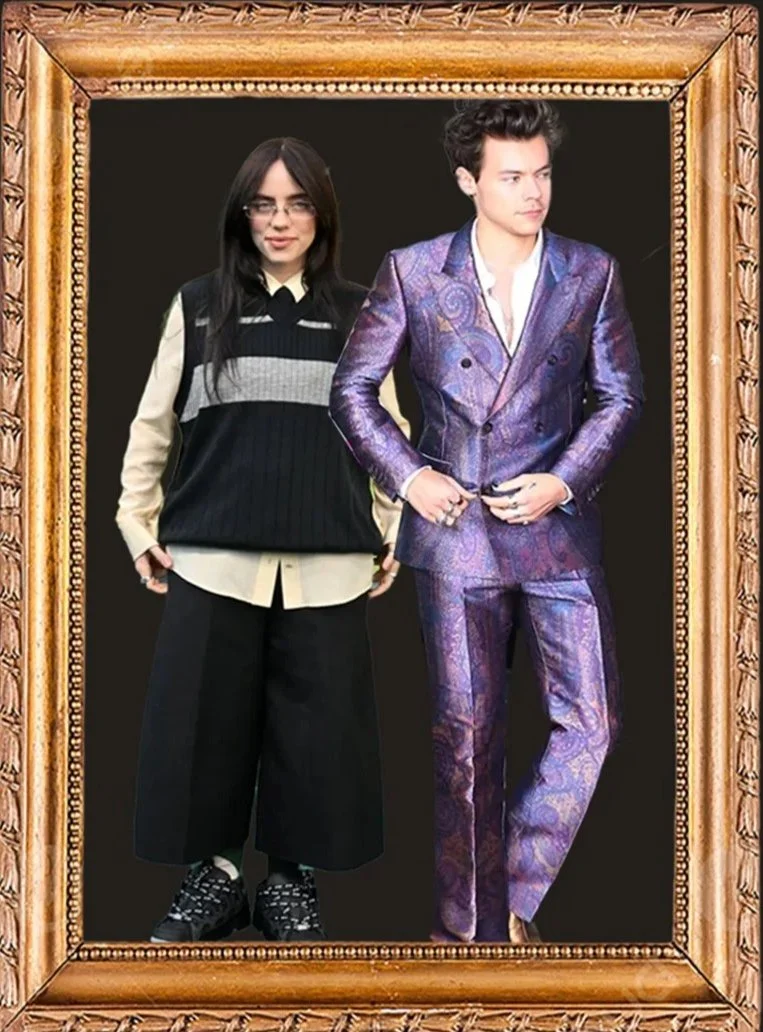
Take a look at how artists like Billie Eilish and Harry Styles have become style icons in their own right. Billie’s baggy, oversized silhouettes and androgynous looks speak to a generation that values comfort and individuality over traditional beauty standards. Meanwhile, Harry Styles’ embrace of gender-fluid fashion, mixing suiting with bold prints and feminine elements, pushes boundaries and sparks conversations about identity. These artists aren't just making music—they're making statements through fashion. And their influence isn't just seen on stage; it's mirrored in the street style of their fans, who often replicate their looks, creating a ripple effect that spreads across global fashion trends.
The Music Industry Weekly article highlights that as we move into 2024, this intersection of music and fashion is set to grow even further, fueled by digital platforms and the continued embrace of “fashion as self-expression.” Artists and designers are increasingly collaborating to create limited-edition merchandise and fashion collections, while influencers and fans are actively involved in shaping the latest trends. Social media, TikTok in particular, has accelerated this convergence, allowing trends to spread like wildfire. Whether it's a viral fashion moment from a music video or an artist’s Instagram post showcasing their latest collaboration, the music-fashion connection is now an integral part of pop culture.
Beyond individual artists, music festivals have become important cultural hubs for fashion experimentation. Events like Coachella, for example, have turned into style showcases, where fans and influencers alike sport bold outfits inspired by their favorite artists, while designers collaborate with musicians to create exclusive merchandise. This kind of crossover not only boosts the visibility of fashion brands but also gives fans the chance to wear the same clothes as their favorite performers, creating a sense of connection and community. The blending of music, fashion, and fandom is more than just a trend—it’s a lifestyle.
What makes this fusion so exciting is that it’s more than just about aesthetics; it’s about storytelling and community. Music and fashion allow us to express who we are, where we come from, and what we believe in. Whether it's the rebellious spirit of punk rock influencing high fashion or hip-hop’s impact on streetwear, both industries have the power to spark change, challenge norms, and inspire new generations. The relationship between music and fashion is dynamic, and as we head into 2024, it will continue to evolve in thrilling ways that celebrate creativity, individuality, and the power of self-expression. For anyone who, like me, is passionate about both music and fashion, the future has never looked brighter. The ongoing collaboration between artists, designers, and fans promises to keep pushing boundaries and setting new trends, making it clear that fashion and music will always be inextricably linked.