The Beauty & Terror of the Groupie Renaissance
We all have our preconceived idea of what a groupie is. Is it the free-loving, energy-harnessing, long-haired and bell-bottomed women of the ‘60s? Or maybe you picture the ‘80s “rockstar girlfriend” archetype: leather-laced and ridden with spunk. Now that you have this image of a groupie in your mind, ask yourself this: What makes a groupie a groupie? Most people do not get that far, and if they do, their first thought is that a groupie simply wants to get into the beds of famous, “all-powerful” musicians. A groupie is not a “star-fucker”, as Jimmy Page most pleasantly named them. One of the most well-known groupies, Pamela Des Barres, describes the core of a groupie in her 1987 memoir I’m With the Band: “A groupie is someone who loves the music so much she wants to be around the people who make it.” The simplicity of Des Barres’ characterization is why the blazing sensation that was groupie culture resonated with so many girls and women during that time, and still does to this day.
The actual term “groupie” was coined in 1965 with some sources crediting Bill Wyman (bassist for The Rolling Stones from 1962-1993) despite his consistent denials. The simplistic intentions of a groupie, paired with the open-ended atmosphere of the 1960s, made for a dazzling concoction that everyone wanted to take a sip of. With passion brewing inside them, many of these young women came from middle class families and wanted to flee from the societal walls closing in on them. These women, with their temporary and sometimes everlasting escape from the sterile suburbs, entered the eye-opening realm of free love, the counter-culture movement, and the psychedelic scene. They utilized the groupie experience as a form of exploration and expression of self and sexuality; the groupie lifestyle evoked a sense of empowerment. This shared love and passion for the creation of music and art cultivated a form of sisterhood among the groupie women – a sisterhood that pushed artistry from within oneself and within others. This artistry was not confined to the musicians and their music, but spread among the fellow groupie women as well. These women were, and became, inspirations in the creative world of art, fashion, music, and literature.
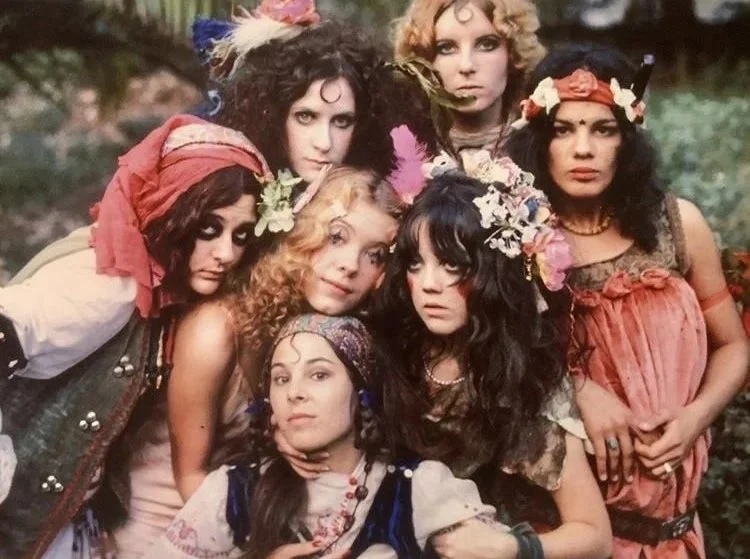
As mentioned earlier, Pamela Des Barres, or “Miss P”, is still to this day a stunning example of the natural vision that poured out of groupies. During her time in the lively ‘60s/’70s music scene, Des Barres became a founding member of the all female performance art-rock band The GTO’s, or Girls Together Outrageously, with equally iconic members including Miss Mercy, Miss Cynderella, Miss Christine, Miss Lucy, Miss Sandra, and Miss Sparky. The GTO’s were short-lived, but their influential message was not. The floaty, whimsical band of women left behind a legacy that influenced women’s empowerment within the rock ‘n’ roll scene. Des Barres has since dipped her toe into the ponds of fashion and writing, making big waves of success, with her bestselling books being memoirs about her experience as a groupie, I'm With The Band: Confessions of A Groupie (1987) and Take Another Piece of my Heart: A Groupie Grows Up (1993).
Des Barres isn’t the only successful woman to have groupie origins. Cleo Odzer reinvented herself as an author and anthropologist; BeBe Buell has been both a model and singer, fronting the B-Sides and Gargoyles in the 1980s; Lori Maddox now works a fashion career in L.A., and Penny Trumble – part inspiration for Penny Lane in Almost Famous – after three years forming and being a part of “The Flying Garter Girls” (a groupie group that focused on respect, professionalism, and genuine connection), pursued higher education and built a career in marketing. Writer and visual artist, Eve Babitz also gave herself the title of “groupie” in those years, as well as singer-songwriter and front woman of Fleetwood Mac, Stevie Nicks, who has a background in groupie culture. The groupie movement was filled to the brim with women who had a passion for the art and energy that come from both music and people, who possessed a gripping sense of community and connection, and who had a striking inclination toward creativity.
As the sun set on the 1960s-early 1970s, the mid 1970s-80s would soon bring a darkness that seeped into the groupie world. What had once been a culture built on mutual admiration, creativity, and youthful liberation was increasingly exposed for its dangerous undercurrents. The normalization of relationships between rockstars and minors – some of the “baby groupies” were as young as twelve – highlighted the deeply predatory nature embedded within the industry. What had previously been framed as free love or rebellious hedonism could no longer mask the power imbalances at play: rockstars wielded money, fame, and years of experience to exploit girls who were still children. The press – once captivated by the muses of the rock world – turned viciously against them. Former groupies were slut-shamed and dismissed, recast as cautionary tales rather than cultural contributors. The overpowering excess of the era stripped away what once felt organic and intimate; groupies became currency and sex objects rather than individuals with their own desires and identities.
The final straw was the tragedy of Nancy Spungen’s death, a figure of the 1970s punk rock scene and partner of Sid Vicious (bassist for the Sex Pistols). Her death cast an even darker shadow and became a warning of the extremes and unpredictability that could fester behind the deteriorating groupie scene. By the 1990s, the rise of grunge warped the groupie archetype once again. This new generation of fans reflected the raw disenchantment of the movement – less glitter and decadence, more angst and authenticity. The romanticized idea of the groupie dissolved further as the lines between artist and fan blurred in new cultural ways. Today, in the digital age, everyone can be considered a groupie to some extent. Social media has made facts, histories, and daily updates endlessly accessible – yet paradoxically, the intimacy that once defined the groupie culture has vanished. Hardcore devotees still cross city lines to see multiple shows, and fan culture is still strong, especially in online communities, but the digital now outweighs the physical.
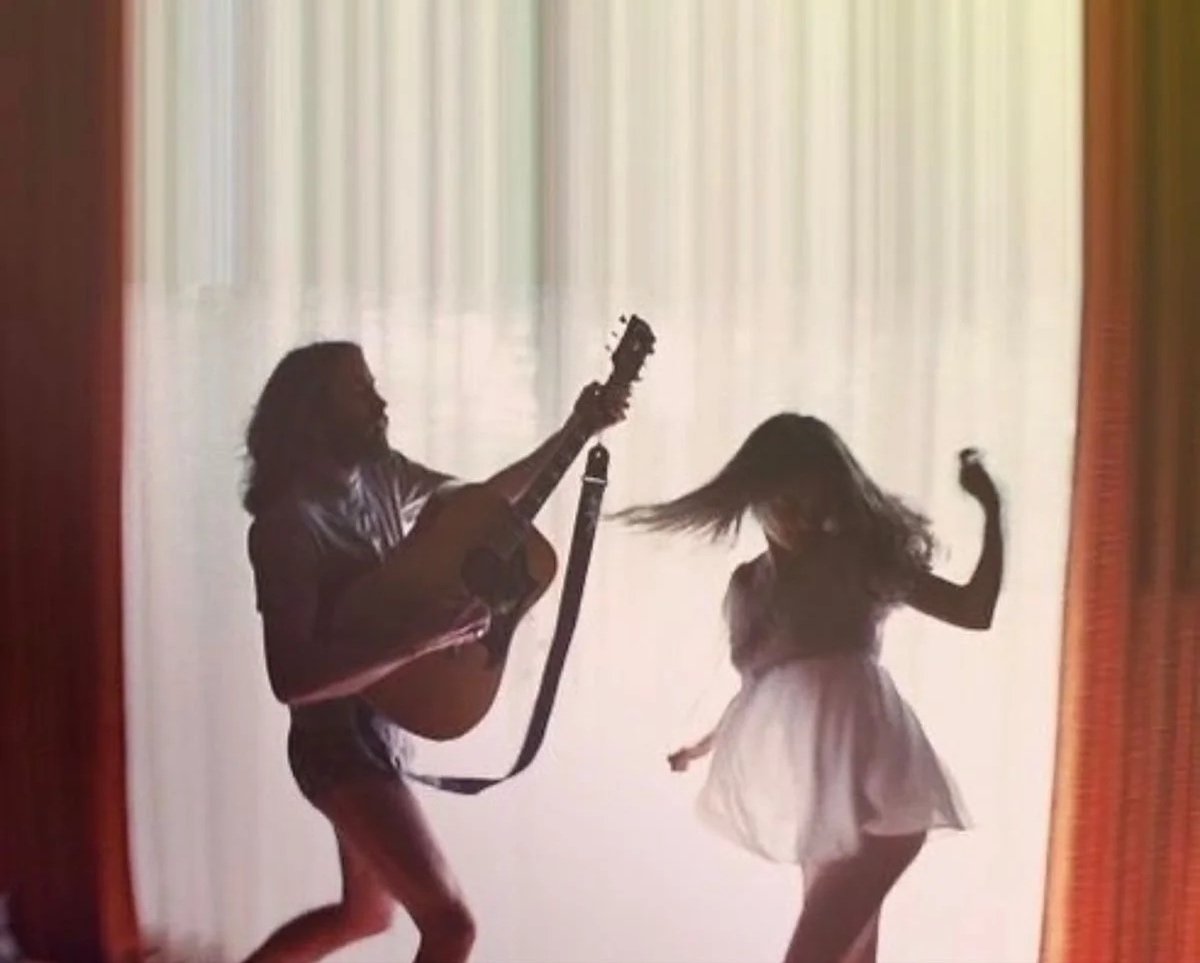
In an age drowned in detachment, algorithmic intimacy, and screen-ridden parasocial bonds, society needs the original spirit of the groupie more than ever. The true groupie mindset was never about obsession or control. It was about connection. It was about passion. It was about dissolving the boundary between art and life by simply caring, deeply and unapologetically, about music and the people who made it. The women who shaped the groupie renaissance understood something we are rapidly forgetting: that artists are not gods, and fans are not faceless masses. They are humans reaching toward each other, trading inspiration that strengthens rather than consumes. The beauty of the groupie renaissance lies in this mutual exchange, while its terror came from the moments when that exchange was twisted into exploitation. Acknowledging both is essential. The groupie is not a relic of the past, but a reminder of what is still achievable: a world where passion invites connection, creativity feeds community, and music remains a living, breathing force that binds us together.