
Cardinals Confront Faith, Love and Brutality With Cathartic Debut Album ‘Masquerade’
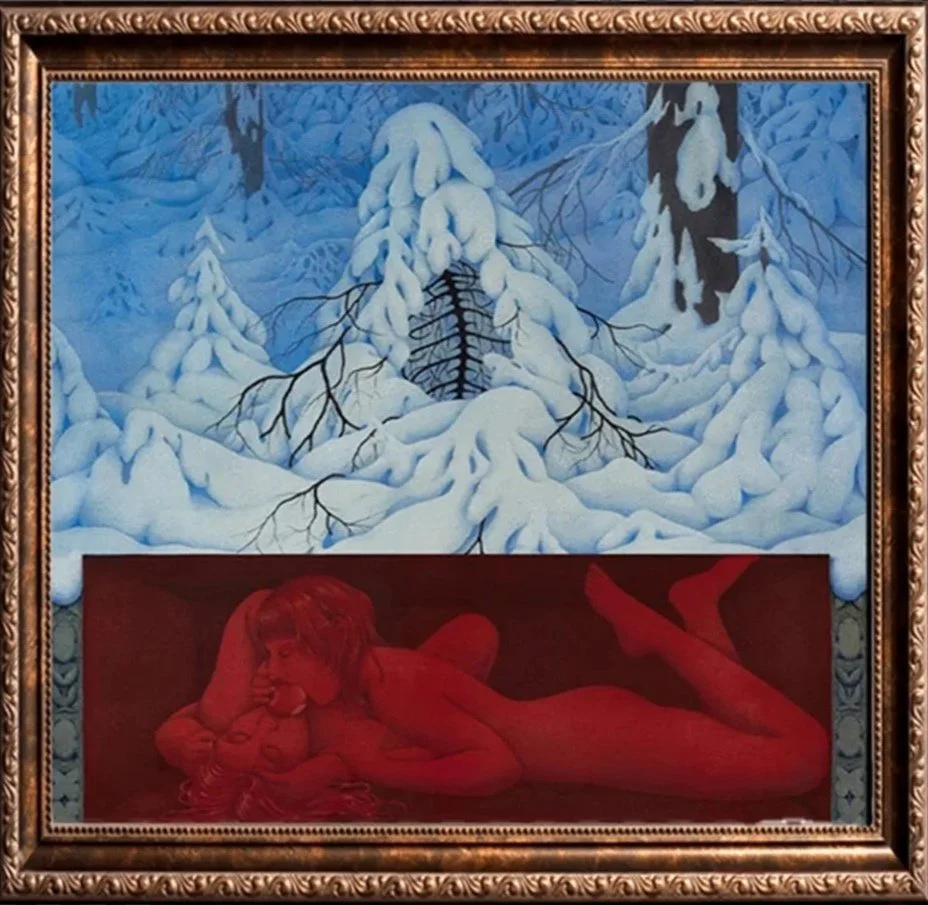
Art imitates life, and life imitates art. The Irish rock band Cardinals have debuted their first album, Masquerade – a relentless body of work that exemplifies the inevitable and inspirational relationship between the harshness of reality and the grace of art. The record has an experienced, unfiltered soul – a soul with a body of heated drums, twangy single-coil guitars, a swelling accordion and a punkified folk voice. Across ten tracks, a telling of identity, faith, intimacy and violence unfolds, leaving the listener enlightened while questioning their own convictions.
An array of curtain-opening instrumentals theatrically welcomes the listener, not only setting the tone for the first song “She Makes Me Real,” but for Masquerade as a whole. The slow, almost edging claps of the drumsticks act as the kickoff into the already expansive musical realm. From the first track, frontman Euan Manning proves his instinct for matching sound to feeling – in the lyric, “It hurts beyond belief,” Euan drags his gravelly, raw voice across the word “hurt” and lingers on the word “belief,” subdued and worn. The eager electric guitar pushes to the front, its strums feeling like the excited shoulder taps of a friend yelling, “Hey, I know this one!” Their common string of religious imagery begins its weaving in “She Makes Me Real,” as Euan dips down to sing, “Underneath it all / Genuflect to kneel,” the lyric exposing his immediate, worship-like devotion to this new love. It encapsulates the integration of love and grief, allowing himself to discover vulnerability in the face of a loss.
Religion and its emotional quandaries pierce through the record repeatedly – reflections that feel unresolved and riddled with universal doubt. The brothers, Euan and Finn Manning (accordion), have created an emotional gravity within the music, one that can only stem from their personal Catholic upbringing and their experience with disillusionment with the church. It’s a genuine portrayal of how ties with religion can integrate into every corner of life, even unknowingly. On tracks like “St. Agnes” and “I Like You,” the vulnerable rockiness of love and the relationship that comes with it are expressed in symbolism that can be connected back to a crisis in faith.
The title track, “Masquerade,” is the heart of the record – pumping wildly on the chase for authenticity. Darragh Manning, the brothers’ cousin, steadies the song with his supportive drums as Oskar Gudinovic’s guitar pushes forth the transformative air surrounding the song. It’s coated in the discomfort of being honest rather than desperately clinging to the mask outwardly presented. The confessional accordion drives the pain that can be found in self-perception and the natural desire to keep that hidden, but on the flip side of that coin it provokes a hope that can only be discovered within genuineness: “Worth your weight in salt / If you’re lonely that’s my fault / You can’t bundle faith / It will dry like hay / Masquerade.”
“A broken congregation / That still prays for more / Than this / Life,” – a weighted line conveyed through Euan’s melancholic, defeated vocals in “Over At Last.” The belief lives on despite doubting its own foundations. It’s an emotional and cultural sentiment that few are brave enough to acknowledge, let alone openly sing about. Cardinals take these themes and deliver them with a balance of bitterness and reluctant hope, keeping Euan’s vocals raw and exposed – unpolished in their passion. This only emphasizes the band’s commitment to storytelling and lived experience, rather than serving as a shallow display of technical perfection.
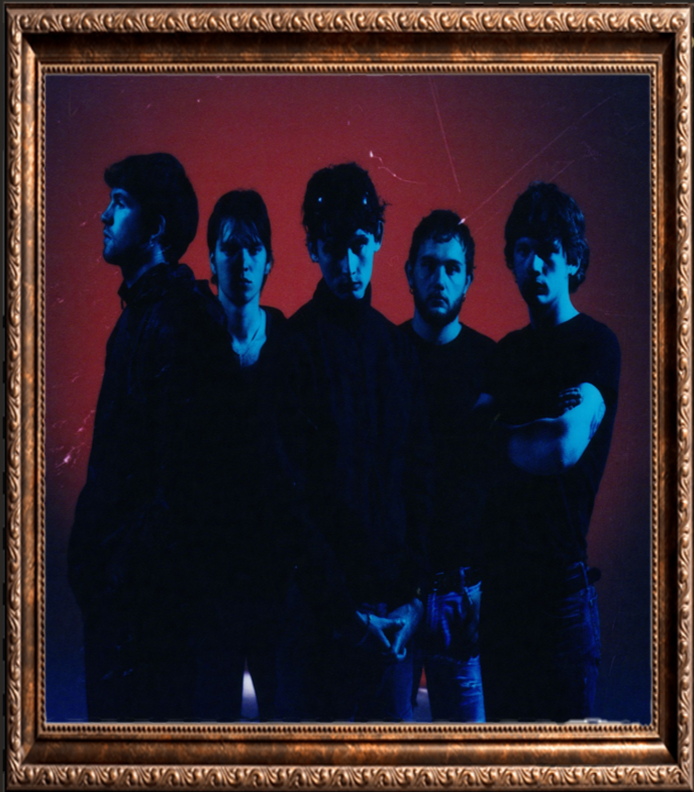
As the halfway mark approaches, it becomes clear that Masquerade has two distinct halves. The descent into the dimmer, grit-heavy second half opens with “Anhedonia.” The folk-jig rhythm urges Euan’s apathetic, aggressive narration as the song draws on his real-life experience as a witness to a violent incident. There’s a wild, careless danger that courses through the frantic musical energy of the track. With the title itself meaning losing interest in or not being able to feel pleasure, the emotional numbness that drips out of Euan’s vocals is strikingly fitting. With the darkness boldening in the album’s latter half, “Anhedonia” takes on an immersive storytelling format that turns the listener into a witness as the narrator acts on his need to feel something, “I grabbed him, then I stabbed him, I opened up his world as it spun.”
Plucks of guitar lead into “Barbed Wire,” a song that is somehow sultry in its corruption. The bouncy bass drum and the western tinge of the guitar sneak in to enforce the vividity of the atmosphere. Drawing inspiration from the history of the Gaol house in the band’s city of Cork, and Kevin Barry’s City of Bohane novel, the track revels in the gothic disaffection that exudes from urban decay. Falling down the rabbit hole of sinful indulgences and chaotic cynicism, the vocals subtly lose their breath as the song fades out of the swirling guitar solo and into its final booming moments, “And I can hardly breathe / Alcohol and ecstasy / And I can hardly breathe / Aperol and THC.”
Described as “a love song written from beyond the grave” by lead singer Euan, “Big Empty Heart” strips away the light of longing and instead falls deeper into its shadow. Aaron Hurley settles the listener in with his rumbling bassline as the feelings of intense regret and absence start to infuse themselves into the track. The haunting of a dying love turns into a twisting revelation, “What if I lost all the shine / That I had / For her,” shattering the glass that was once just a crack.
Staying true to their origin-based inspirations, as heard with “Barbed Wire,” Cardinals push the listener into the emotional landscape of Cork City in 1920 during the Irish War of Independence. “The Burning of Cork” is a politically charged anthem fueled by heavy, grunge instrumentals. There’s a visceral quality to the blend of personal turmoil and historical tragedy. As Euan croaks, “I get the / sentiment / It’s your pride / A city built / And burnt / Again,” the song’s angered despair can still be heard today as brutal assertions of power continue to crumble cities and homes.
The closing song, “As I Breathe,” effortlessly wraps up every theme that was incorporated within the record with a soulful bow. The weary, slow breath of the accordion keeps the song alive as the lyrics filter through pain of all sorts: romantic, psychological and religious. Vulnerability is the driving force of the track as Euan drags out, “I need another name / That isn’t hopeless or ashamed / Or unholy,” conveying guilt once again through the eyes of religion. The hurt that results from a loss of a love, the unworthiness felt and the devastation of it all are, unfortunately, what makes both this song and the album so connectable.
With Masquerade, the band has forcefully opened up a space where people both lose and find themselves within their own suppressed emotions. Cardinals push out these feelings with their richly emotive musicality and give permission to feel – to feel that anger, that grief, that doubt, that longing – because sometimes music is the spark needed to ignite introspection. The band’s fearlessness in putting the harsh, yet necessary words to their feelings and creating unguarded art that leaves no room for backtracking is what makes them so painfully memorable.